


Reducing plastics with a Deposit Return Scheme seems like a no-brainer. If people can get paid to return their plastic containers, they’re less likely to throw them away or mislay them. There’ll be less plastic, waiting to be recycled, clogging up cupboards and precious storage space in increasingly smaller houses. (Most young people cite lack of space as the reason for not recycling). There’ll be fewer empty plastic bottles escaping recycling boxes on windy days only to end up in hedges or rivers and, ultimately, the sea.
I have been concerned about the volume of plastic on our streets, in our rivers and in the sea for a good few years. The sheer volume of the problem was brought home to me when walking at the far end of Perranporth beach where the dunes had trapped a mini mountain of plastic and other ocean waste in a channel.
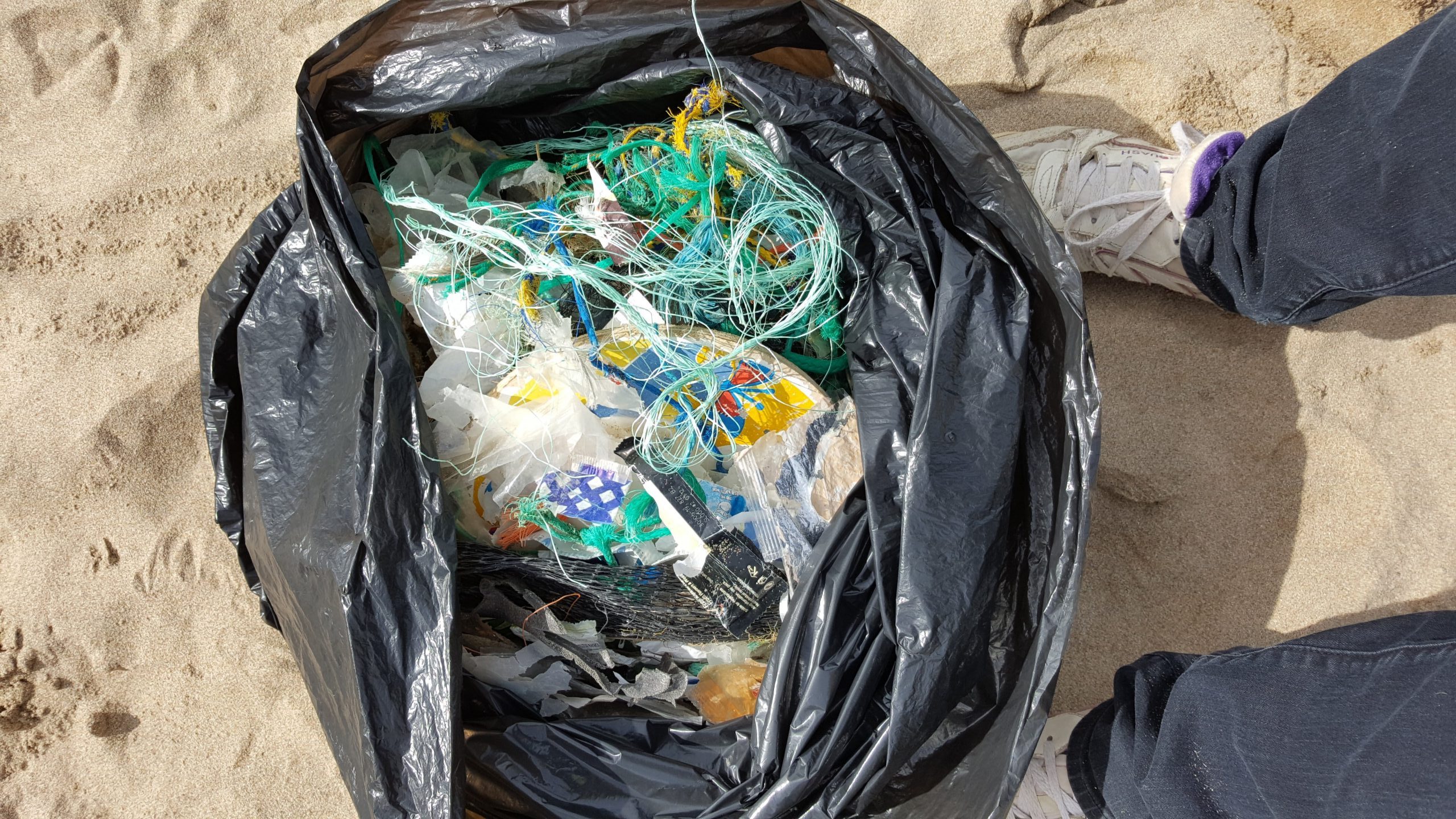
I’ve done 5 minute beach and street cleans and always end up with a bin bag full of plastic rubbish, sometimes more. And the volumes just keep increasing as time goes on. If we do not do something soon, the sand on our beaches will comprise more of plastic than the beautiful shores we have now. There’s a reason Cornwall is slipping down the favourite holiday destination list.
Deposit Return Scheme (DRS)
Reducing Plastics with a Deposit Return Scheme means keeping high-quality plastic in ‘the loop.’ This makes it easier to recycle plastic bottles and reduces the need to create new plastic bottles. The process of creating recycled plastic bottles consumes fewer fossil fuels and emits less CO2 than the process of creating new plastic bottles. Better all around.
The UK used to be the leading pioneering tech and socially responsible country but we have fallen behind.
Norway captures 97% of single-use plastic bottles through its all-in DRS. Norway’s example is exemplary, but Deposit Return Schemes have proved to work well throughout Europe.
What is happening with the UK Deposit Return Scheme?
The DEFRA Secretary committed to introduce a Deposit Return Scheme in England in 2018. Three years later, the government continues to delay the scheme and has put it on hold until 2024 at the earliest. In the last 3 years, Surfers Against Sewage estimate that 24 billion containers of all sizes and materials (bottles, cans, drink cartons) ended up on our streets, our beaches, in the countryside, in the sea – polluting our environment. That’s 8 billion each year. An effective ‘all-in’ DRS would have reduced this amount. If we have to wait until the end of 2024, an additional 32 billion containers will be out there – a total of 56 billion containers because the Deposit Return Scheme didn’t happen. Every year we delay the scheme an additional 8 billion containers will pollute our environment. Also, the Surfers Against Sewage extensive Bottle Monitoring research project found that the government’s proposed ‘on-the-go’ scheme would exclude 58% of the bottles that end up on UK beaches. The government’s own impact assessment found the net benefit of an ‘all-in’ system would be £5.8bn compared to just £282m for an ‘on-the-go’ system. That’s why I’ve written to my MP to support the introduction of an ‘all-in’ DRS as soon as possible which will:
- take containers of all sizes
- take as many materials as possible
- focus on reduction and reuse
- and be consistent in design across the UK.
Write to Your MP
Email your MP today to call for an ‘all-in’ DRS to stop plastic pollution. Click the link below to find your MP and send a pre-written email, kindly set up by Surfers Against Sewage


